




Kwik-Loc Cable Jointers & Aircraft Cable Loops
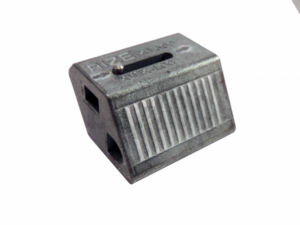
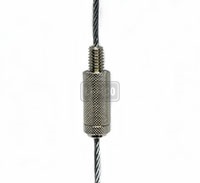
Lexco Cable supplies Kwik-Loc® cable jointers, a fast way to create adjustable loops in aircraft cable without traditional swaging equipment. Kwik-Locs are available for aircraft cable ranging from 1/32″ to 1/4″ in diameter, across the KL50, KL75, KL100, KL150, KL200, and KL600 size range.
Because Kwik-Locs are field-installable, they’re commonly used to suspend static loads for lighting, signage, gallery and retail displays, ductwork, cable trays, sound systems, CCTV cameras, and other secondary support applications.
Choosing the Right Kwik-Loc Size
Kwik-Loc size selection depends primarily on cable diameter and the load being suspended. Lighter-duty sizes like the KL50 and KL75 suit small signage and gallery lighting, while heavier-duty sizes like the KL200 and KL600 are built for HID lighting, fan coil units, and other services with higher safe working load requirements.
Matching the jointer to the cable diameter and application load helps ensure a secure, properly rated suspension point for the intended use.