




Understanding Wire Rope Load Ratings & Safety Factors
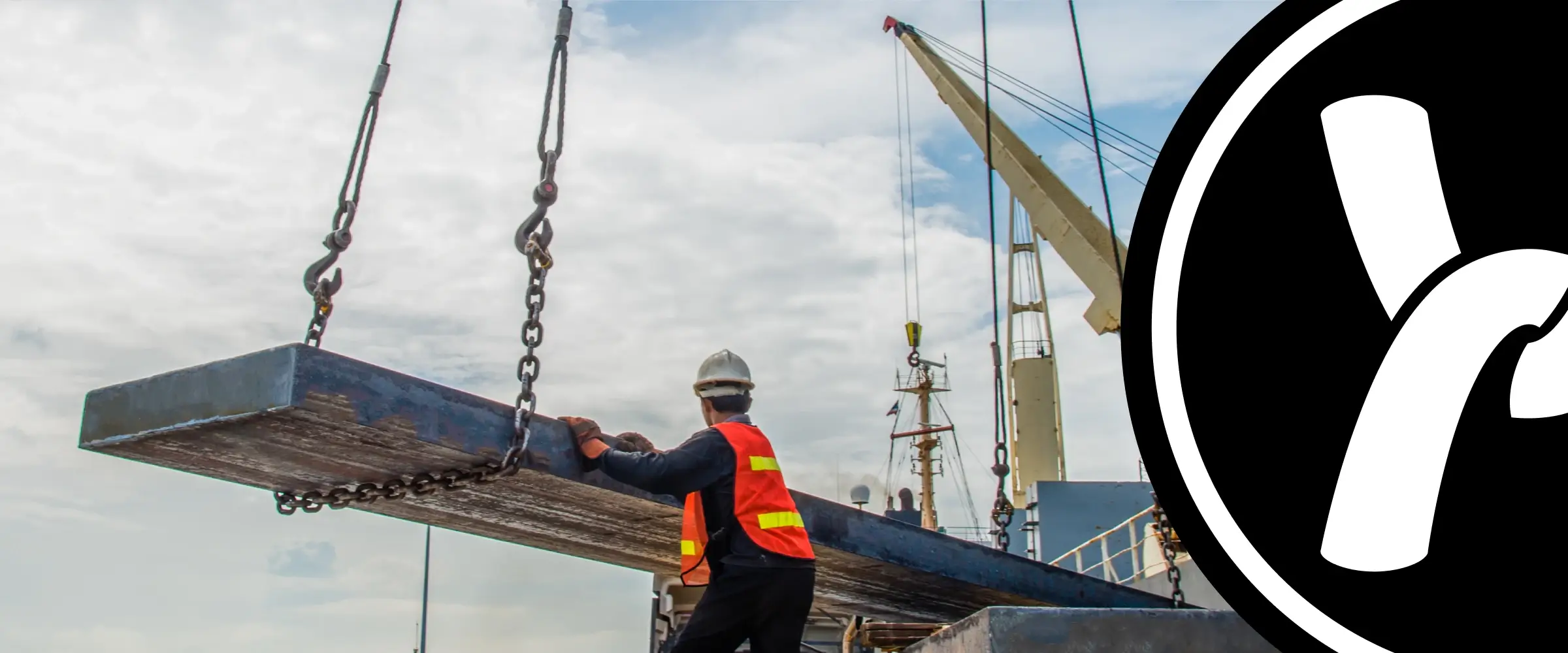
Understanding Wire Rope Load Ratings & Safety Factors
Summary
Wire rope performance is governed by two primary ratings: the Minimum Breaking Strength (MBS), which is the theoretical point of imminent failure under ideal conditions; and the Working Load Limit (WLL), the maximum load intended for regular use. To ensure safety against real-world variables like fatigue and dynamic loading, the WLL is calculated by applying a safety factor (typically a ratio of 1:5 or 1:10) to the MBS.
When purchasing wire rope, it’s critical to understand load ratings and breaking strength. Wire rope load ratings are the various ratings that define how a wire rope performs under stress or load, which will govern how the wire rope can be used and what to do when the wire rope is put under certain loads.
This blog will explore:
- What Are Wire Rope Load Ratings?
- What is Minimum Breaking Strength?
- What is a Working Load Limit?
- How Do Safety Factors Affect Wire Rope Selection?
- What Impacts Real-World Load Capacity?
- Why Proof Loading and Pull Testing Matter
- Why Choose Lexco for Critical Wire Rope Assemblies
- Frequently Asked Questions
Why are Wire Rope Load Ratings & Safety Factors Important?
Load ratings for wire rope can be expressed in several ways. The terminology can be misunderstood, and it is important to comprehend what Minimum Breaking Strength means for the everyday use of a particular wire rope. Proper application of these factors will prevent potential safety hazards and prolong the life of the wire rope.
This article will help you determine what values you should know, what they mean, and how to understand those values in regard to how a wire rope is to be used.

What are Wire Rope Load Ratings?
There are two load ratings that are critical and commonly calculated, though there are more that might become important in certain situations:
- Minimum Breaking Strength (MBS): The force at which a wire rope (or aircraft cable) fails in ideal conditions according to its specification standard (such as ASTM). Warning: Wire rope should never be used at MBS.
- Working Load Limit (WLL): The working load limit is a recommended maximum load that can regularly be applied to a wire rope. It incorporates a design factor based on the application. WLL is sometimes referred to as “capacity”. A 5:1 safety factor is recommended for general applications as per ASTM B30.9. Warning: The WLL is drastically reduced by shock loads.
it is important to note that load ratings apply to a wire rope when it is first manufactured. All materials fatigue over time, and degradation due to corrosion or damage can reduce the performance of a wire rope.
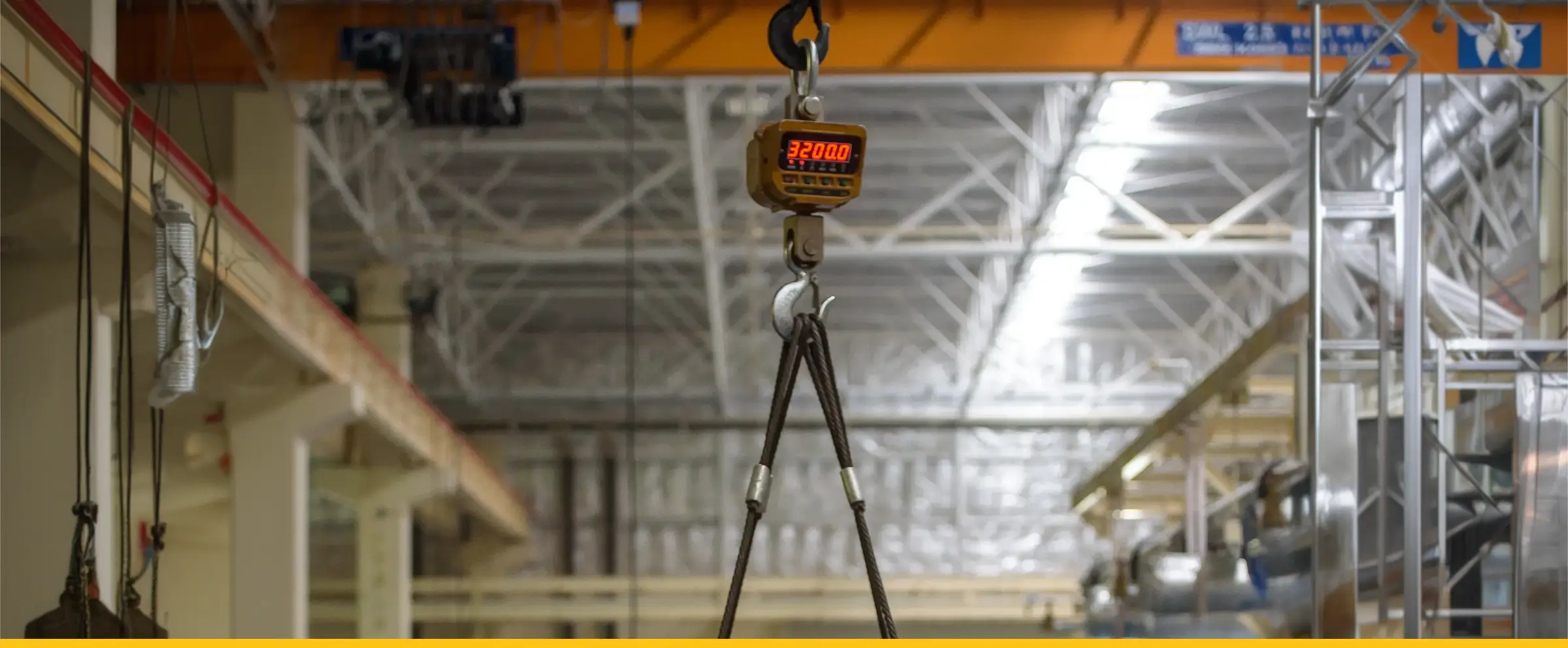
Warning: If the wire rope end fitting termination does not hold 100% of the cable, then the WLL should be calculated based on the lowest value of the assembly’s components. For example, if plain ball #BA3-4 is swaged onto 1/8″ 7×19 GAC then the assembly’s break strength is 1,200 lbs even though 1/8″ 7×19 GAC has 2,000 lbs MBS. With a typical 5:1 safety factor, the #BA3-4 plain ball has a 240 lbs WLL and thus the rating of the entire assembly.
What is Minimum Breaking Strength (MBS)?
Minimum Breaking Strength (MBS) is the point at which a wire rope is at risk of failure. There are a few things to keep in mind regarding this value:
- The MBS should never be used as a working limit, and subjecting the wire rope to any value approaching the MBS should be avoided.
- Even if a wire rope’s breaking strength never reaches the MBS, getting close to this value can still cause permanent damage to the wire rope.
- A wire rope loaded at or beyond its MBS can break at any time. There is no guarantee that the wire rope will give audible or visible warnings of imminent breaking, so every moment a wire rope is loaded beyond its MBS risks catastrophe.
Wire rope exposed to chemicals, crushing, shock loading, or extreme temperatures should not be expected to perform to rated work loads. Ropes should be inspected regularly and taken out of service when necessary.
Download MBS of common wire ropes here.
What is Working Load Limit (WLL)?
Working Load Limit (WLL) is the maximum load that can be regularly applied to a wire rope without risk. The WLL is calculated as some fraction of the MBS (usually 1:5 or 1:10). There are a couple of things to keep in mind regarding the WLL:
- The WLL is calculated with the understanding that dynamic loads may happen due to real-world conditions. Attempting to go beyond the WLL can risk damage to the wire rope if dynamic loads stress the material.
- The WLL is the number that users and purchasers should rely on for normal use. Anything beyond the WLL exposes the wire rope to damage or breakage and an increased risk of injury to the operator.
How Do Safety Factors Affect Wire Rope Selection?
A safety factor is the ratio of the WLL to the MBS, and it is how the WLL is calculated. The safety factor is critical to creating a usable and safe WLL because the actual forces that a wire rope is subjected to are unknown.
Installation of the lifting equipment, fatigue of the material, abrasion or wear of the wire rope, corrosion of the lifting equipment, and dynamic loads can all multiply the forces that a wire rope must resist or reduce its overall performance. These variables change constantly and are different for each application.
The most common safety factors are 1:5 and 1:10. 5:1 safety factor means WLL is 20% of break strength and 10:1 safety factor means WLL is 10% of break strength. The former is used for general rigging conditions, whereas the latter is reserved for critical or heavy-duty applications. Remember that heavier loads put proportionally more stress on a wire rope in dynamic loading conditions.
In addition, critical applications that cannot risk a break will want higher safety factors. However, the actual safety factor used depends on the application and will be different for each.
What Impacts Real-World Load Capacity Beyond Ratings?
There are a few things that affect the working load limit and minimum breaking force. The following is a short list of the most common factors that affect load ratings:
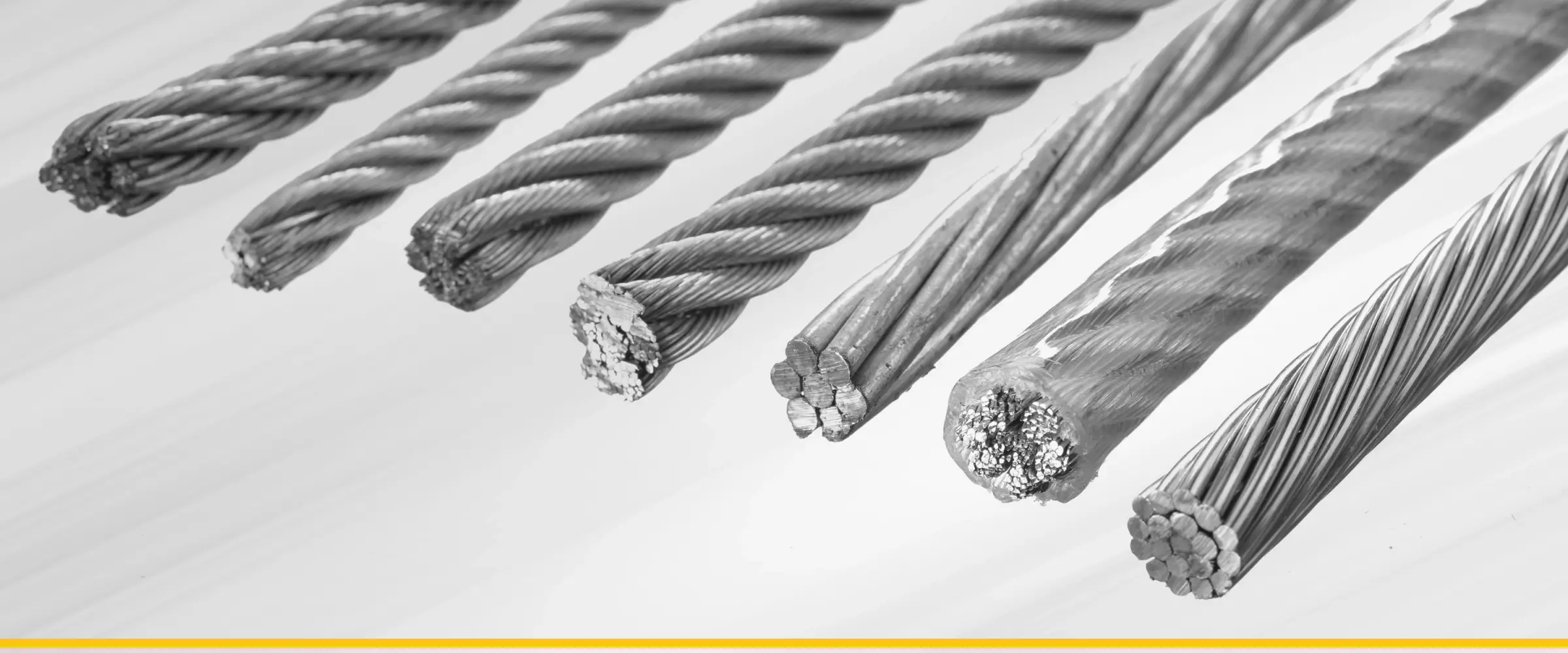
- Construction: The construction, lay, strand design, and size of a wire rope all affect its WLL and MBS.
- Material Selection: Different materials (such as stainless steel versus galvanized wire) and constructions have different tensile strengths, fatigue resistance, and resistance to wear or abrasion. Each of these factors will affect how a wire rope will perform both out of the factory and after years of continuous use.
- Terminations and End Fittings: The way a wire rope is terminated, swaged, and attached can greatly affect the overall WLL and MBS. Remember that a wire rope won’t necessarily break in the middle of its span. A weaker end fitting might end up being the point of failure. Therefore, the terminations and end fittings should be designed appropriately to match the intended task of the wire rope.
- Installation and Use Conditions: As previously mentioned, the overall performance of the wire rope will change if installation is inferior or if use conditions are particularly harsh. A damaged or worn wire rope will have a lower WLL and MBS than it did when first manufactured. Wire rope sling maintenance is a critical factor as well.
Why Proof Loading and Pull Testing Matter
Proof loading and pull testing are the methods manufacturers use to test whether the wire ropes they manufacture match the designed parameters.
Proof loading applies a force over time to test for defective parts or faulty manufacturing. These loads are usually 40% or 50% of the MBS, far above the WLL but below the point at which a wire rope might become fatigued or deformed from the force. If a wire rope shows damage or fatigue at this point, that means that something went wrong and further investigation is warranted.
While a proof load uses real loads in a standard lifting setup, a pull test is performed using a hydraulic cylinder or pulling machine. These can be destructive or non-destructive but are used to test actual load ratings rather than to prove performance in more realistic conditions.
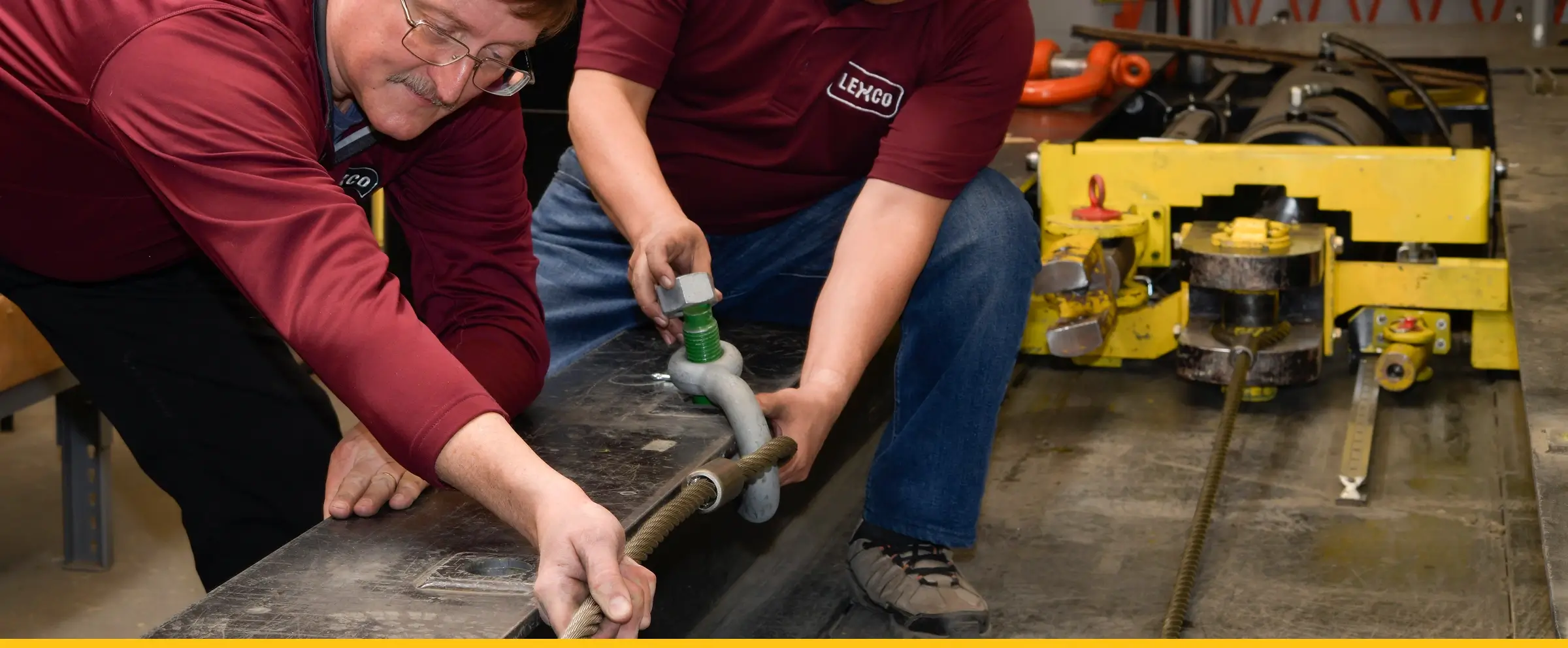
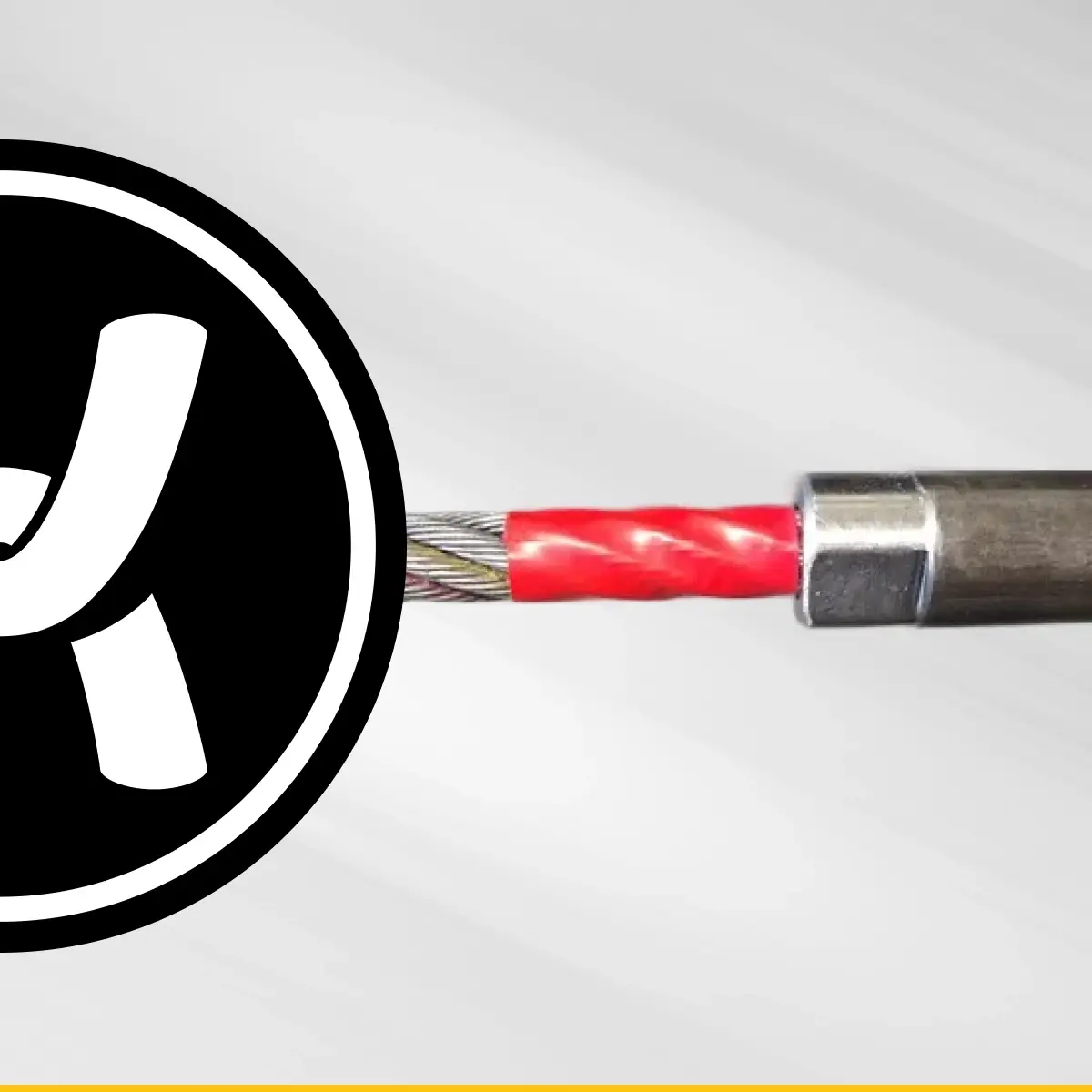
An example of a pull test is the threaded stud pull test. Lexco Cable performed this test to record any deformation or stretching in a threaded stud swaged wire rope assembly. In the end, the wire rope tore apart before breaking away from the threaded stud, showing how strong a swaged assembly can be.
Why Choose Lexco for Wire Rope Assemblies
Lexco Cable provides well-engineered, personalized, application-specific, and proven wire rope assemblies to customers in many industries. Our products are built to specification, proof loaded, pull-tested, and designed to support critical and safety-focused applications.
If your organization is in need of high-quality wire ropes, Lexco Cable is the premier supplier that you can trust. Contact us today.
Key Takeaways
- Minimum Breaking Strength (MBS) represents the theoretical point where a new wire rope risks failure under ideal laboratory conditions.
- Working Load Limit (WLL) is the maximum load recommended for regular operation and is the value users must rely on for safe equipment sizing.
- Safety factors, typically ratios of 1:5 or 1:10, are applied to the MBS to account for unknown variables like fatigue, abrasion, and dynamic loading.
- Real-world load capacity is influenced by wire rope construction, material selection, installation quality, and the strength of end fittings.
- Degradation factors such as corrosion, wear, and plastic deformation can significantly reduce a wire rope’s performance below its original factory ratings.
- Proof loading and pull testing are essential manufacturing processes used to verify assembly integrity and validate actual load ratings against design parameters.
- Application-specific engineering is necessary because two ropes of the same diameter can have different capacities based on their internal strand and core designs.

Frequently Asked Questions

Recommended Resources




GALLERY
MARKETS
CASE STUDIES
VIDEOS
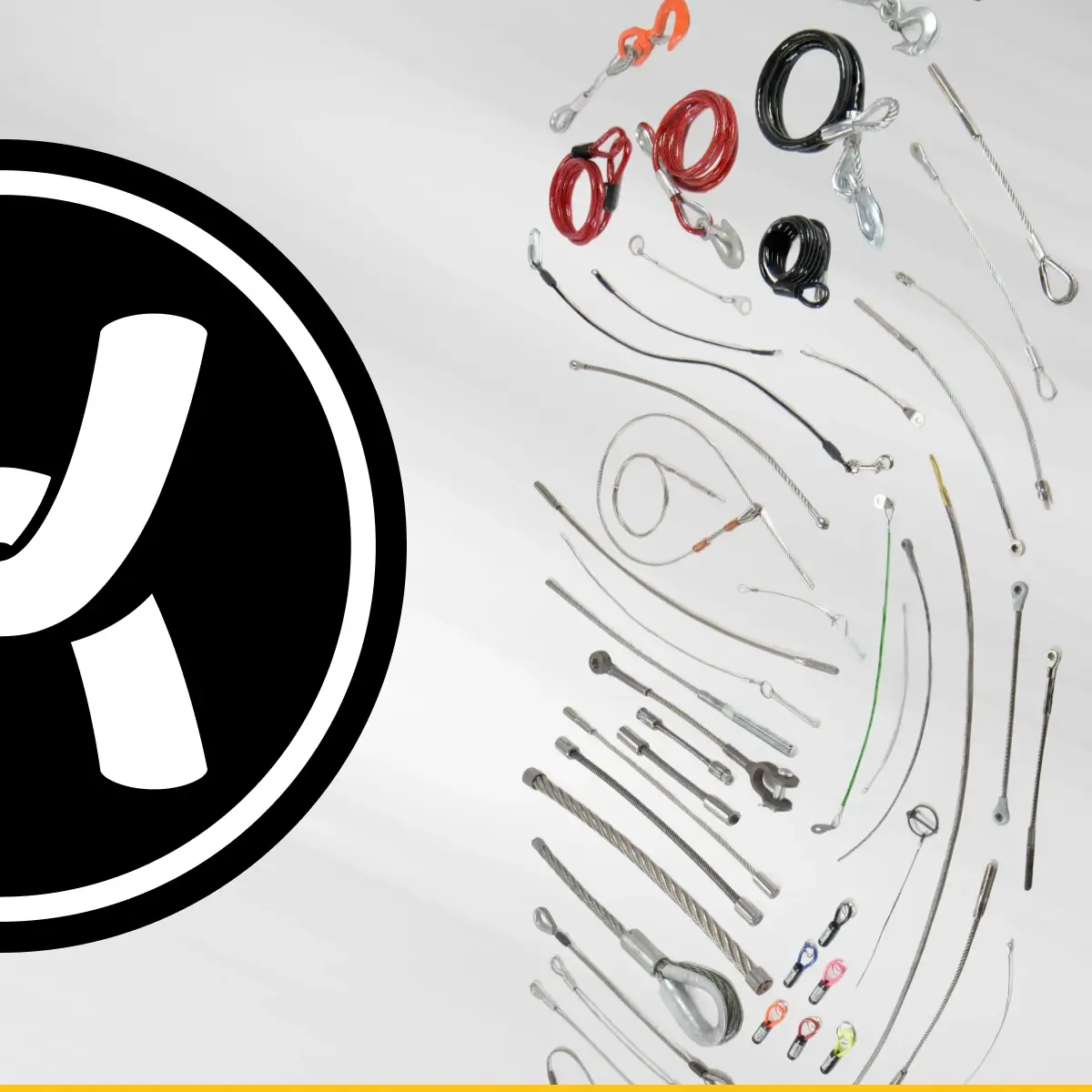
From coiled cables to architectural railings, see examples that showcase our capabilities and inspire your next project.
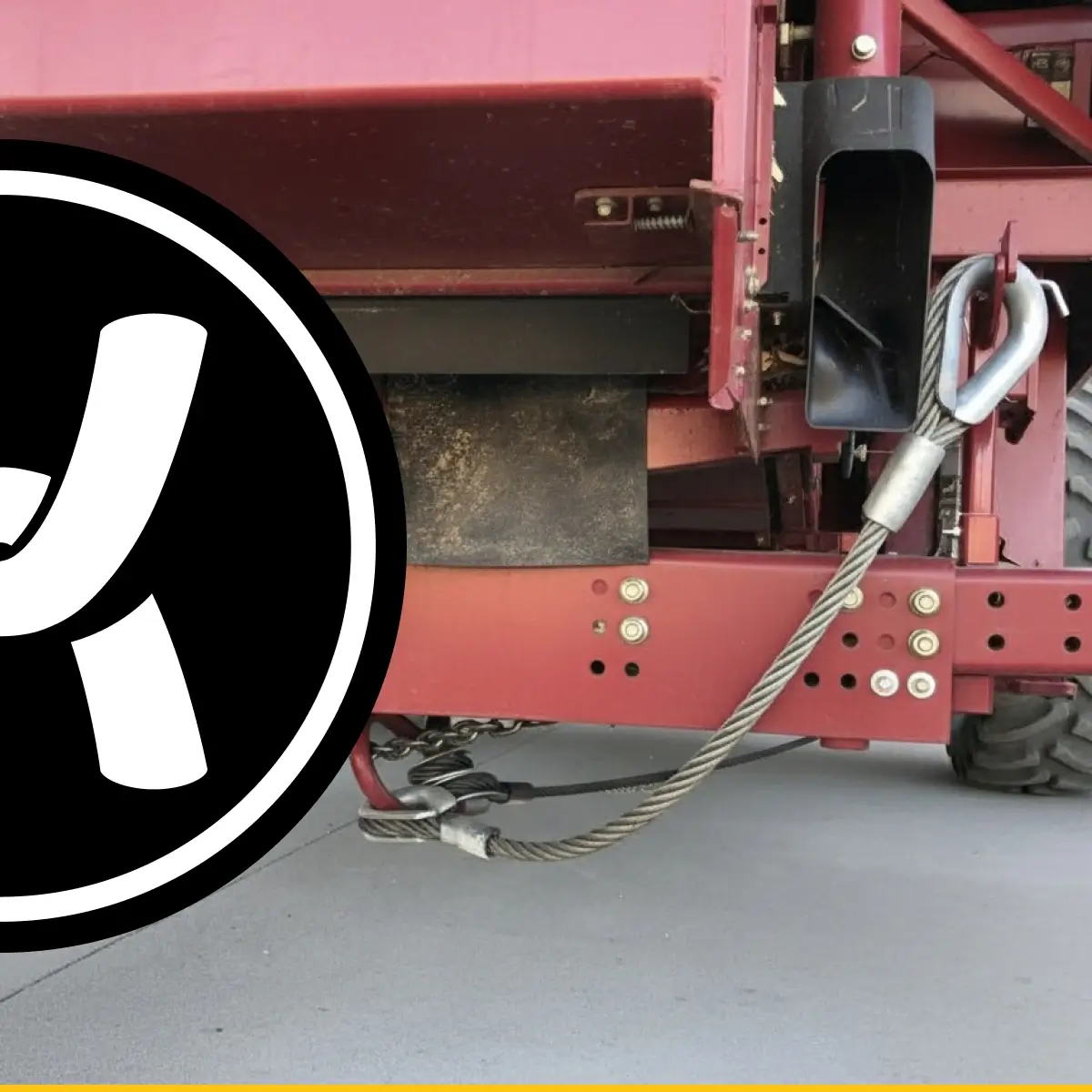
From military to OEMs, fitness to agriculture, our solutions meet the specific needs of crucial industries.
Follow the journey of our products from initial design to final implementation in real-world applications.
Watch our videos to see the meticulous attention to detail that goes into our wire rope assemblies and services.
GALLERY
From coiled cables to architectural railings, see examples that showcase our capabilities and inspire your next project.
MARKETS
From military to OEMs, fitness to agriculture, our solutions meet the specific needs of crucial industries.