


Leaders in
Custom Wire Rope
Assembly Fabrication

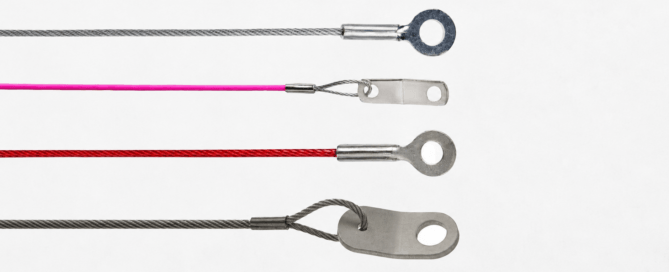
Wire Rope Lanyards

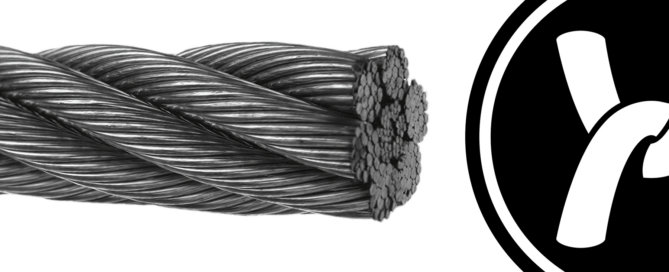
Wire rope performance is governed by two primary ratings: the Minimum Breaking Strength (MBS), which is the theoretical point of imminent failure under ideal conditions; and the Working Load Limit (WLL), the maximum load intended for regular use. To ensure safety against real-world variables like fatigue and dynamic loading, the WLL is calculated by applying a safety factor (typically a ratio of 1:5 or 1:10) to the MBS.
By |2026-09-11T16:38:46+00:00September 2, 2026|Custom Assemblies, Wire Rope|0 Comments

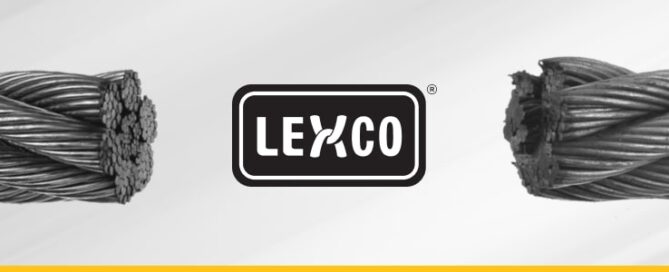
Wire Rope Inspection Checklist: What to Look for Before Every Use

Wire rope performance is governed by two primary ratings: the Minimum Breaking Strength (MBS), which is the theoretical point of imminent failure under ideal conditions; and the Working Load Limit (WLL), the maximum load intended for regular use. To ensure safety against real-world variables like fatigue and dynamic loading, the WLL is calculated by applying a safety factor (typically a ratio of 1:5 or 1:10) to the MBS.

By |2026-08-31T12:36:23+00:00July 7, 2026|Custom Assemblies, Engineering/Quality, Wire Rope|Comments Off on Wire Rope Inspection Checklist: What to Look for Before Every Use

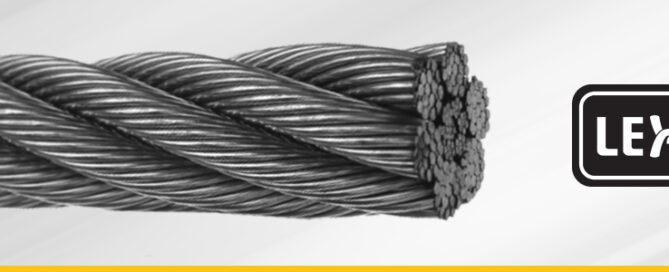
Wire Rope: A Complete Guide to Types, Construction, and Choosing the Right Cable

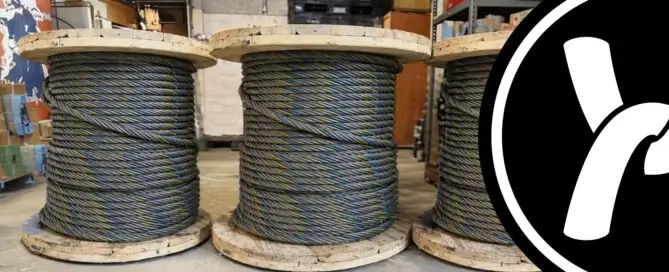
Wire rope performance is governed by two primary ratings: the Minimum Breaking Strength (MBS), which is the theoretical point of imminent failure under ideal conditions; and the Working Load Limit (WLL), the maximum load intended for regular use. To ensure safety against real-world variables like fatigue and dynamic loading, the WLL is calculated by applying a safety factor (typically a ratio of 1:5 or 1:10) to the MBS.

By |2026-06-23T20:57:12+00:00April 14, 2026|Wire Rope|Comments Off on Wire Rope: A Complete Guide to Types, Construction, and Choosing the Right Cable
Go to Top