




Wire Rope: A Complete Guide to Types, Construction, and Choosing the Right Cable
Wire Rope: A Complete Guide to Types, Construction, and Choosing the Right Cable
Summary
Wire rope is a complex mechanical system consisting of multiple steel wires twisted into strands that wrap around a central core. This guide explores the fundamental types, materials, and constructions of wire rope to help industrial professionals select the right cable for lifting, tensioning, and structural applications. By understanding the balance between flexibility, strength, and corrosion resistance, you can optimize the lifespan and safety of your rigging systems.
This blog will explore:
- What Is Wire Rope?
- Anatomy and Construction of Wire Rope
- Wire Rope Lay and Direction
- Federal Specification RR-W-410 Classifications
- ASTM A1023
- Wire Rope Materials
- Wire Rope Types Available from Lexco
- Applications of Wire Rope
- How to Choose the Right Wire Rope
- Wire Rope Accessories and Fittings
- Lexco’s Wire Rope Capabilities
- Frequently Asked Questions
Key Takeaways:
- Wire rope is technically classified as a machine because its internal components move relative to one another to transmit force.
- Performance is determined by the specific arrangement of wires, strands, and the type of central core used.
- Federal Specification RR-W-410 provides the industry standard for classifying wire rope by construction class and use case.
- Selecting the right rope requires balancing four key characteristics: strength, flexibility, abrasion resistance, and corrosion resistance.
- Proper termination and accessories are essential to maintaining the integrity of a wire rope assembly.
What Is Wire Rope?
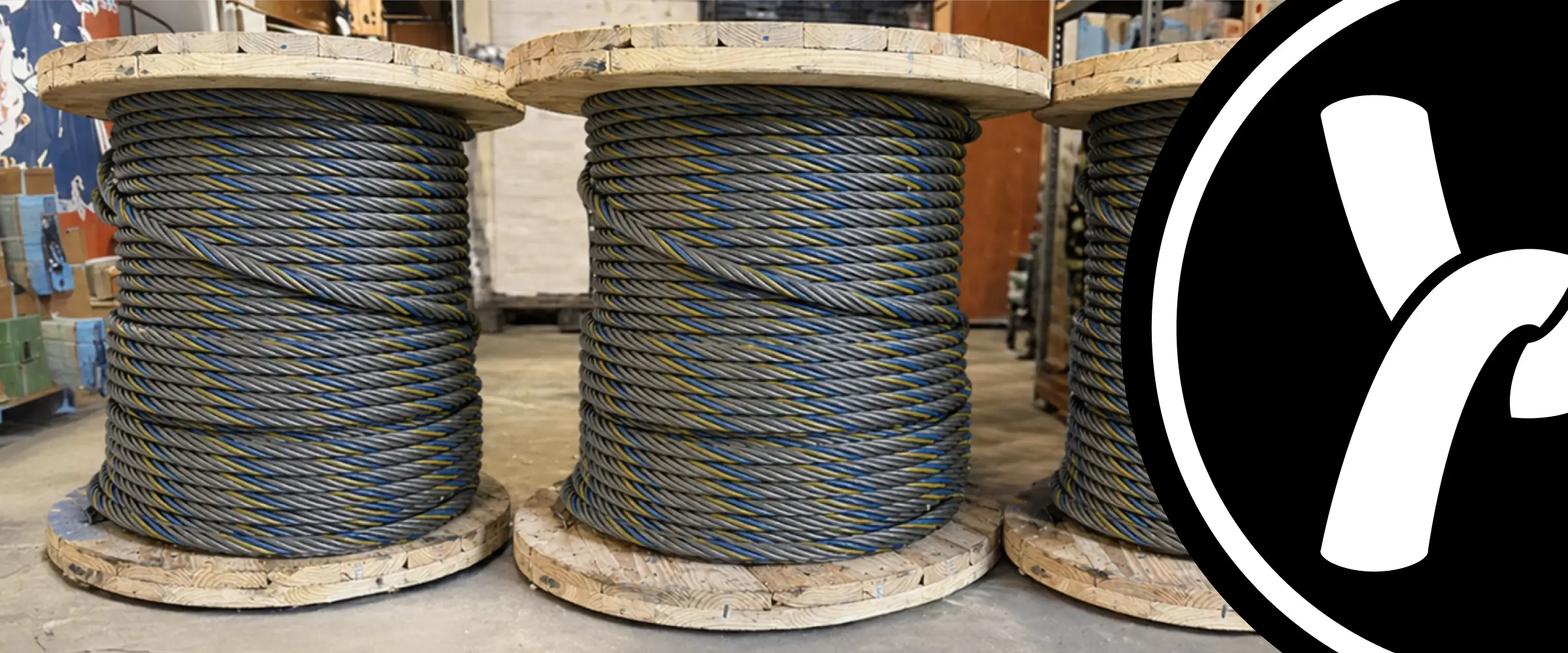
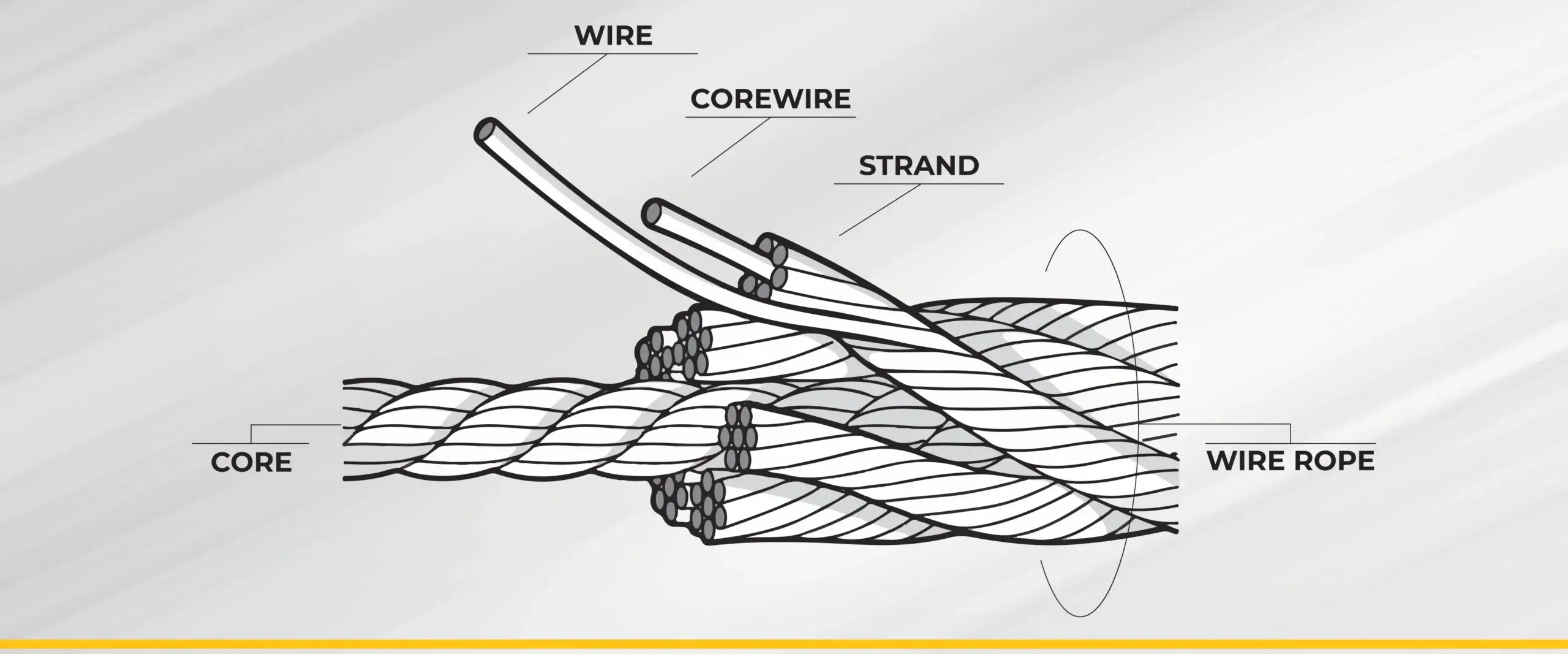
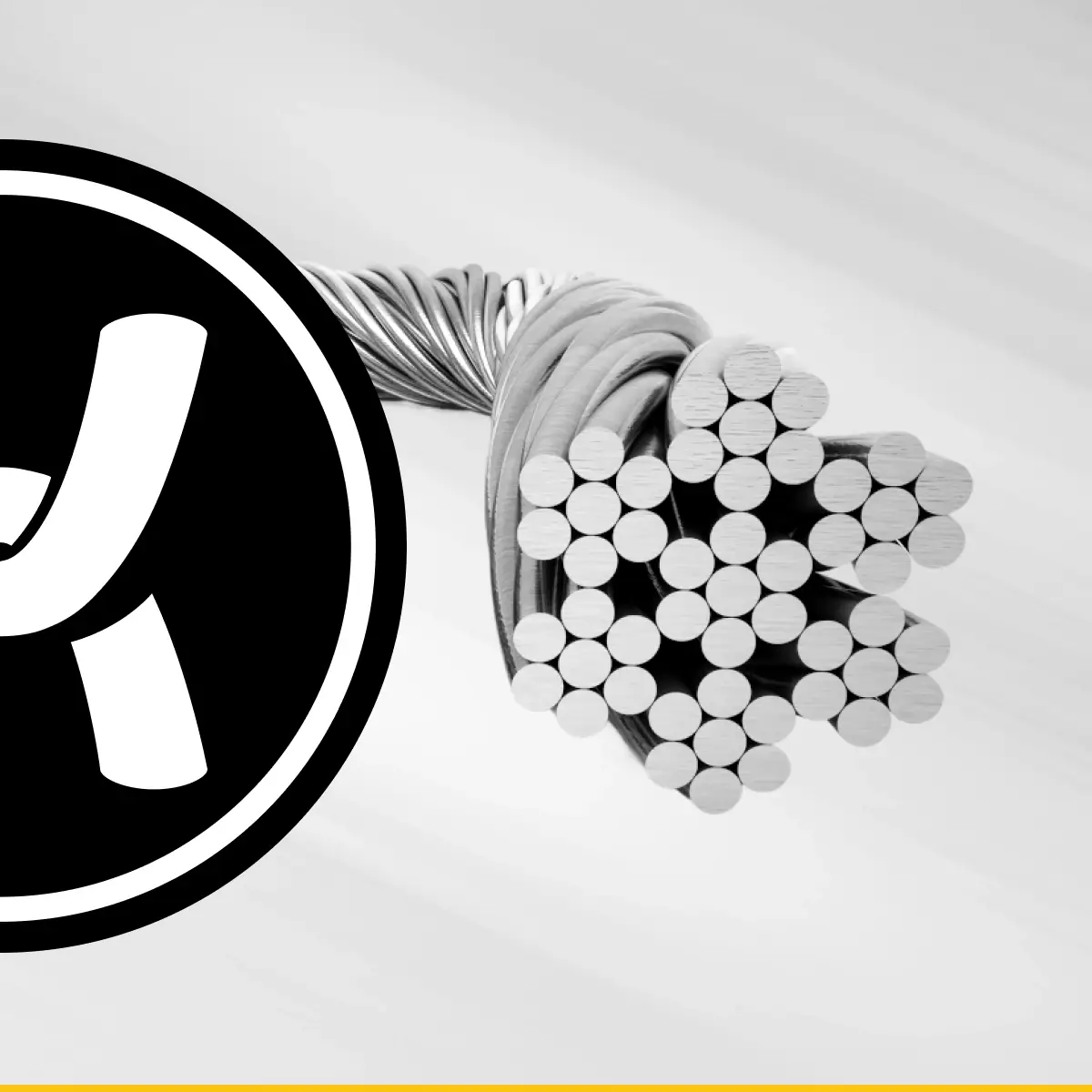
Wire Rope is defined as a number of strands twisted and braided together to form a thicker and stronger product. Wire rope is simply a rope that is constructed of metal wire strands. Small metal wires are braided together to form a “strand,” which becomes the core component of the wire rope. Multiple strands are then braided together around a “core,” which can be anything from a plastic tube to a smaller wire rope.
Design of wire ropes is very complex, and many factors affect the performance and potential uses of a wire rope: material, wire size, strand size, strand pattern, strand spacing, lay direction, core design, material selection, coatings, end fittings, and any number of post-treatments all affect the end result. All of these require consideration, in the context of the rope’s intended application, when designing a wire rope.
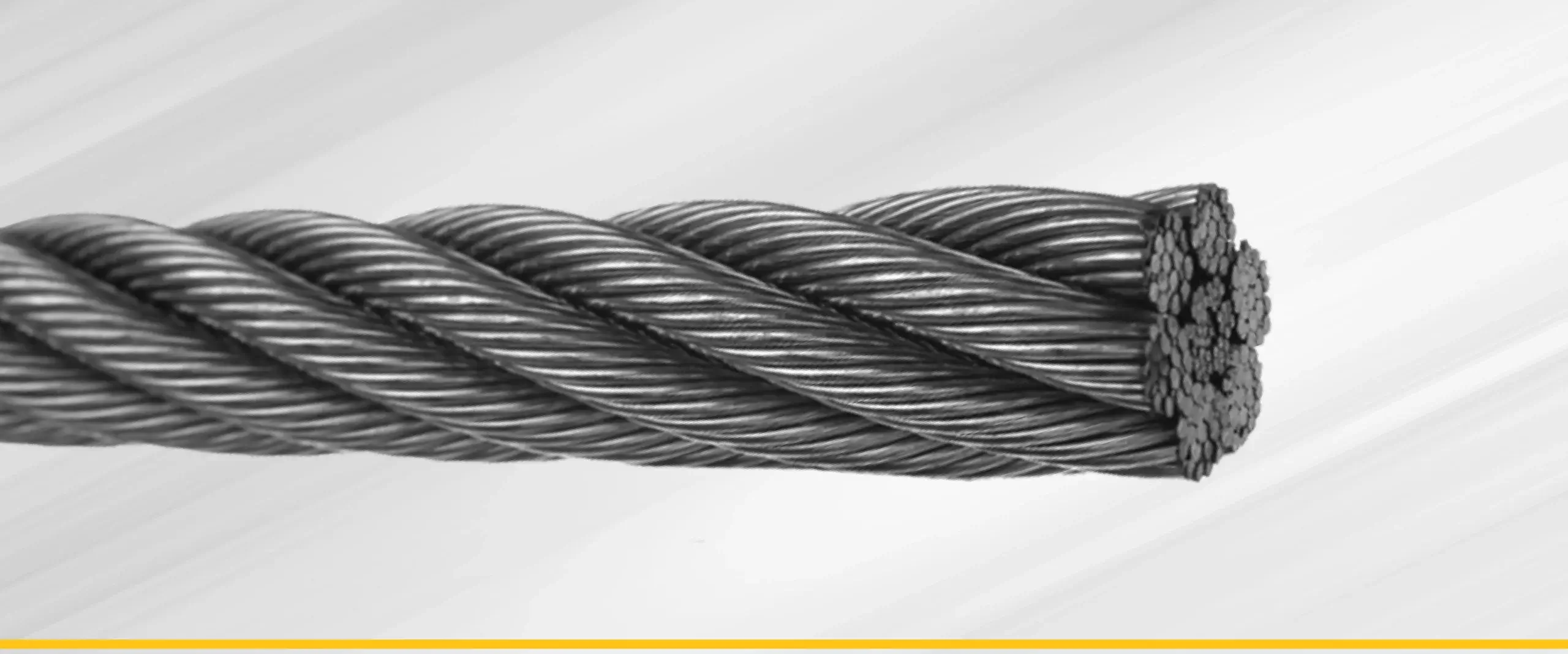
Wire rope is a multi-wired cable in which several strands are laid helically around a central core. It transmits force, motion, and energy in many commercial and industrial applications. Since it transmits force, motions, and energy, wire ropes are technically classified as machines. Wire ropes serve much the same function as chains, but with increased strength and reliability compared to chains or fiber ropes of similar sizes. They are used in industrial, marine, and commercial spaces for everything from tie-downs and securing to hoisting and tensioning.
The term “wire rope” usually applies if it is larger than 3/8″ diameter, with smaller sizes being called “cord” or “cable.” This article will discuss the basics of wire rope construction and materials to familiarize you with their structure and use.
Anatomy and Construction of Wire Rope
Wire Rope Lay and Direction
The “lay” of a wire rope describes the direction and manner in which the wires and strands are twisted.
Lay Direction
- Right Lay: The strands wrap around the core in a clockwise direction, similar to a standard screw thread.
- Left Lay: The strands wrap in a counter-clockwise direction.
Lay Type
- Regular Lay: The wires in the strand are twisted in the opposite direction of the strands themselves. This is the most common configuration used in the industry.
- Lang Lay: The wires and strands are twisted in the same direction. This provides better fatigue resistance but is more prone to untwisting and kinking.
The lay pattern also carries a number pattern designation that denotes the number of layers the rope contains and the number of strands in each layer. There are 4 lay patterns:
- Single Size: The wire rope is made of a single layer of strand wrapped around a core. Each of the strands is the same size, making the wire rope flexible and simple to construct.
- Filler: Two layers of strands are wrapped around the core, with the outer layer containing more strands to account for the larger circumference. The voids between the strand layers are filled with smaller strands or single wires, making the overall rope stronger and resistant to wear.
- Seale: Instead of making both layers of strands the same size, Seale construction makes the inner layer smaller than the outer layer. The layers are staggered so that each strand rests in the valley between the two strands it contacts.
- Warrington: A middle ground between Seale and Filler. The inner layer of strands are of a uniform size, but the outer layer of strands alternates between two sizes. Half the outer strands match the size of the inner strands and sit in the valleys between the inner strands. This leaves gaps between the outer strands, so the gaps are filled with smaller strands that rest on top of each inner strand.
Federal Specification RR-W-410 Classifications
For many industrial and government applications, wire rope must meet Federal Specification RR-W-410. This standard categorizes ropes into classes and constructions based on performance.
Type 1, Class 2 (6×19 Class)
- Construction 1: 6×19 (2 operations)
- Construction 2: 6×19 Warrington
- Construction 3: 6×19 Seale
- Construction 4: 6×19 Filler wire
- Construction 5: 6×19 Warrington-Seale
Type 1, Class 3 (6×37 Class)
- Construction 1 & 2: 6×37 (3 operations and 2 operations)
- Construction 3: 6×37 Seale (2 operations)
- Construction 4: 6×36 Filler wire
- Construction 5–9: These include complex combinations like Seale-Warrington and Warrington-Seale to balance flexibility and wear resistance.
ASTM A1023: The Standard for Carbon Steel Wire Ropes
While Federal Specification RR-W-410 is a primary standard for many industrial and government applications, ASTM A1023 (formally ASTM A1023/A1023M) is the essential global standard established by ASTM International for stranded carbon steel wire ropes.
What is ASTM A1023?
ASTM A1023 is a comprehensive specification that defines the design, materials, manufacturing, and performance requirements for carbon steel wire ropes used in general industrial applications. It serves as a blueprint to ensure that wire ropes are manufactured with consistent quality and safety across the industry.
Wire ropes manufactured to ASTM A1023 standards are the workhorses of heavy industry. You will commonly find them used in:
- Cranes and Hoists
- Elevators
- Construction and Mining Equipment
- Marine and Rigging Applications
Other common ASTM:
Stainless steel wire rope may reference ASTM A492 in addition to ASTM A1023 or Fed Spec RR-W-410. Stainless steel strands (1×7, 1×19) may reference ASTM A368. Galvanized steel strand (1×17, 1×19) may reference ASTM A475 or ASTM A363.
Most Common Wire Ropes, Aircraft Cables, and Strand Constructions
While there are hundreds of combinations, these are the most frequently used in the industry:
- Strands: 1×7 and 1×19.
- Aircraft Cables: 7×7 and 7×19.
- General Purpose Wire Ropes: 6×19 Class and 6×37 Class.
- Rotation Resistant Ropes: 8×19 Class and 19×7.
Wire Rope Materials
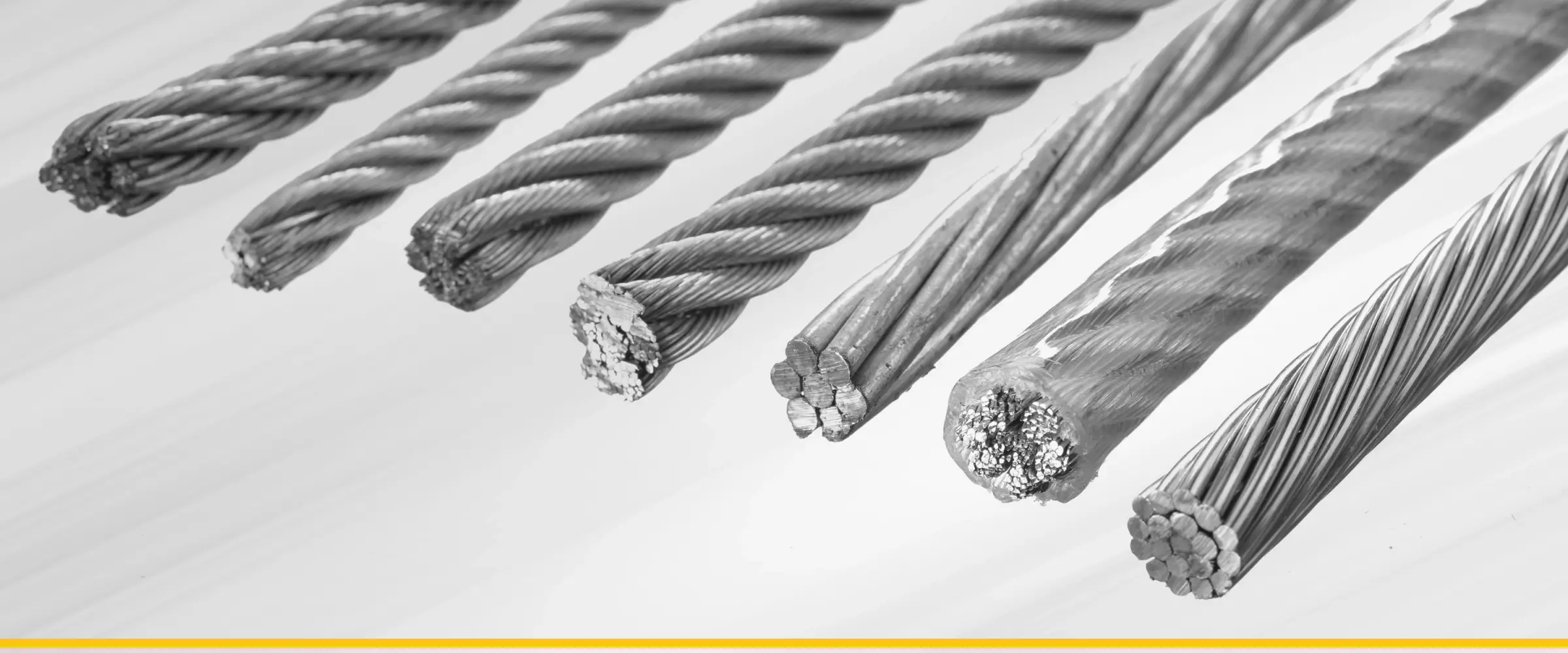
Construction and patterns of a wire rope are important, but the effects of construction are different depending upon material selection. Wire ropes are made of steel, but different types of steel can have vastly different performance characteristics.
- Bright Steel: Bright refers to steel that is uncoated and usually without exotic alloying elements. Bright steel is very strong and inexpensive but does not have the resistance to corrosion and wear of galvanized steel and stainless steel.
- Galvanized Steel: Galvanization is the process of coating the steel with a thick layer of zinc. Zinc does not corrode like steel and thus protects the inner steel from exposure to oxygen, water, and other abrading materials. Eventually, the zinc layer will wear out, but it greatly extends the expected lifetime of a steel wire rope.
- 302/304/305 Stainless: 304 Stainless is the most common grade, including an alloy of 18% chromium and 8% nickel. 302 includes a higher carbon content than 304, making it stronger but harder and thus less flexible. Stainless steel is naturally corrosion resistant and doesn’t need a protective layer against wear. 305 includes the addition of more nickel, which makes it more workable and non-magnetic.
- 316 Stainless: The addition of molybdenum adds resistance to corrosion by salt, which makes it appropriate for marine applications. Saltwater is horribly corrosive to steel, so a special alloy of stainless steel is required to resist it.
Coated Wire Rope
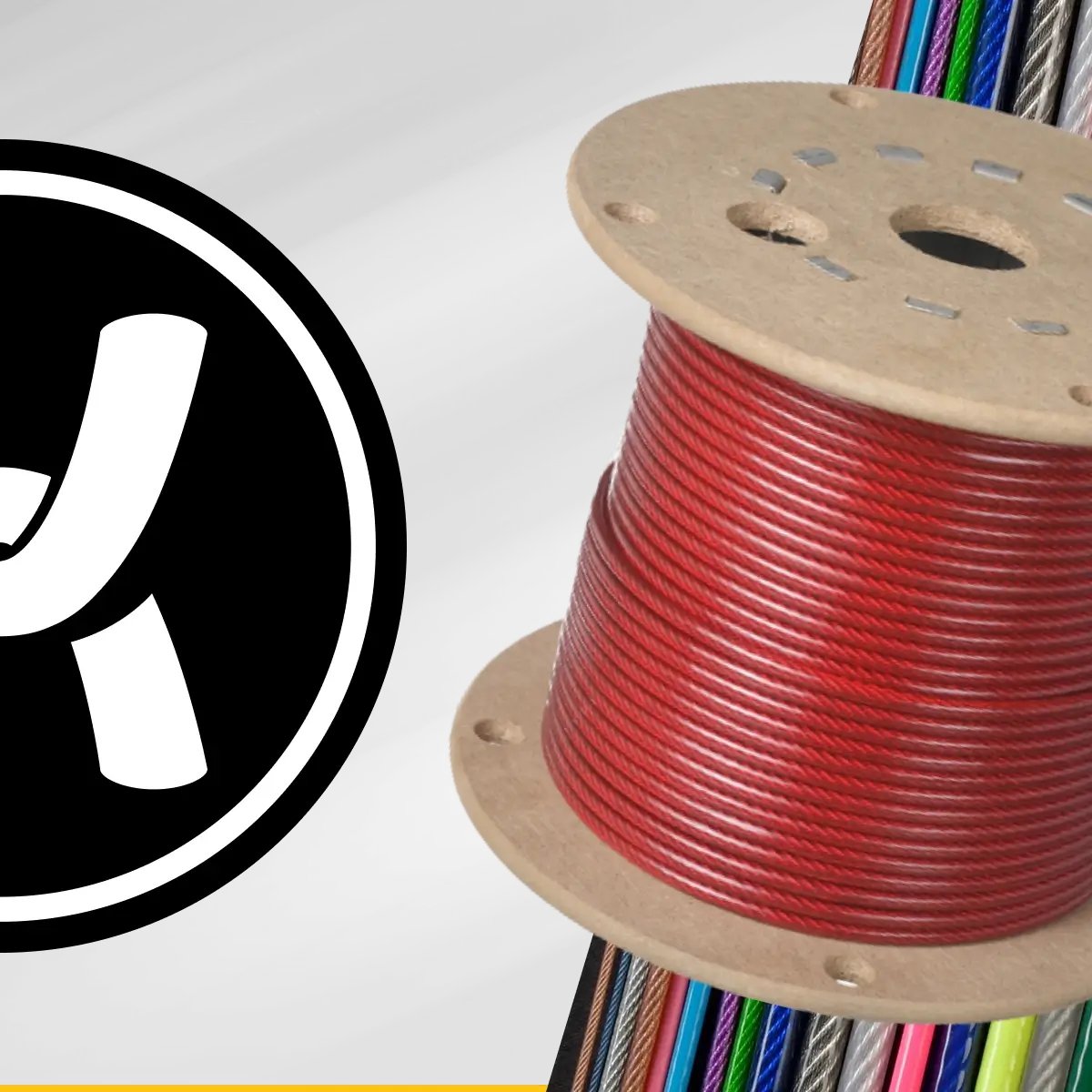
Wire rope can be extrusion-coated in materials like PVC or nylon. These coated wire ropes are often called aircraft cable. Coating protects the metal from abrasion, provides visibility through color-coding, and improves ergonomics for manual handling. Learn more about why aircraft cable and wire rope are extrusion coated on our blog.
Wire Rope Types Available from Lexco
Lexco offers a comprehensive range of products for diverse industrial needs:
- Coated Aircraft Cable and Wire Rope: Available in multiple materials to protect against wear.
- Aircraft Cable (Strand Core): Includes high-performance 7×7, 7×19, and 3×7 constructions.
- Independent Wire Rope Core (IWRC): Features 6×19 and 6×37 classes for maximum strength.
- Fiber Core (FC) Wire Rope: Used where increased flexibility is required.
- Specialty Strands: Includes ASTM A475 for stationary use and Structural Strand ASTM A586 for infrastructure.
- Rotation Resistant Wire Rope: 19×7 and 8×19 designs that resist twisting under load.
- Compacted and Swaged Wire Rope: Processed for higher breaking strength and a smoother outer surface.
Ready to explore your options? Visit our full wire rope catalog.
Applications of Wire Rope
Because of its ability to transmit force and motion reliably, wire rope is essential across many sectors.
- Aerospace: Used for flight controls and cargo tie-downs.
- Rigging and Lifting: Utilized in cranes and hoists for heavy lifting.
- Structural Tensioning: Applied in bridges and commercial buildings.
- Pulley Systems: Flexible constructions are selected to withstand repeated bending stress.
How to Choose the Right Wire Rope
It’s important to choose the right wire rope for your application. Selecting the correct rope requires balancing four primary characteristics.
- Strength: You must account for static and dynamic loads. IWRC constructions are generally the standard for high-strength requirements.
- Flexibility: The number of wires per strand is the primary factor. A 7×19 construction is highly flexible, while a 1×7 strand is stiff and best for stationary use.
- Abrasion Resistance: Ropes with fewer, larger outer wires resist wear better. Seale construction is often chosen for environments where the rope rubs against other surfaces.
- Corrosion Resistance: For marine or chemical environments, stainless steel or galvanized coatings are mandatory.
Wire Rope Accessories and Fittings
A wire rope is only as strong as its termination. Fittings determine how the rope transfers its load.
- Thimbles: Protect the loop or “eye” from wear and deformation.
- Turnbuckles: Allow for precise tension adjustment in structural assemblies.
- Rigging Hardware: Includes clamps, hooks, and shackles for secure connections.
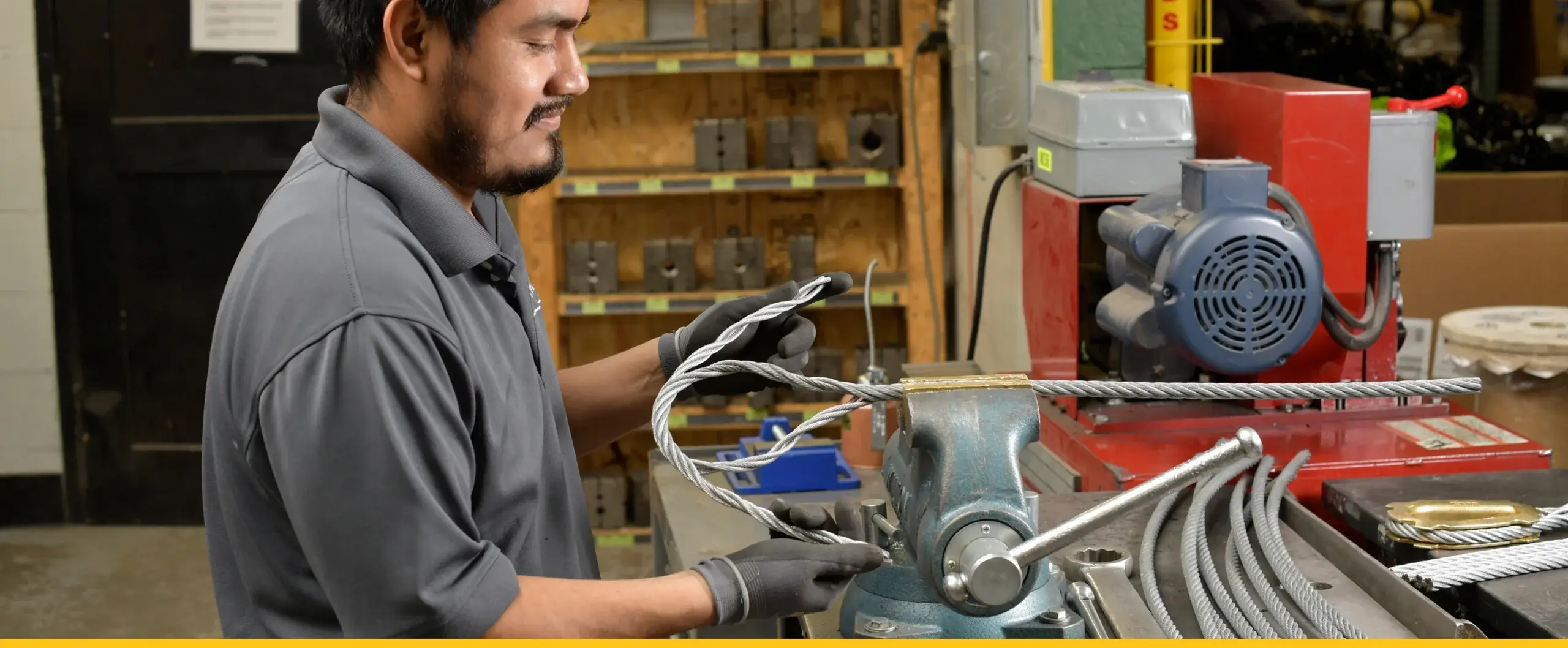
Lexco’s Wire Rope Capabilities
At Lexco, we specialize in custom solutions for critical applications. Our services include:
- Custom Assemblies: Manufactured to your exact project specifications.
- Proof Loading and Pull Testing: Ensuring safety and compliance.
- Wire Rope Cutting: Precision cutting for all cable types.
- Swaging and Crimping: Professional termination for maximum reliability.
Contact Lexco today to discuss your technical specifications.

Frequently Asked Questions

Recommended Resources




GALLERY
MARKETS
CASE STUDIES
VIDEOS
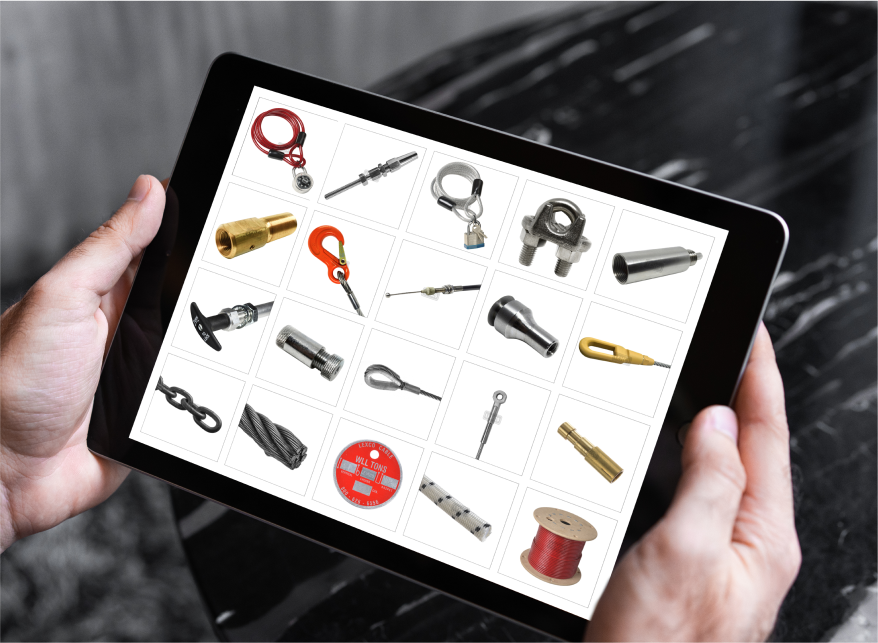
From coiled cables to architectural railings, see examples that showcase our capabilities and inspire your next project.
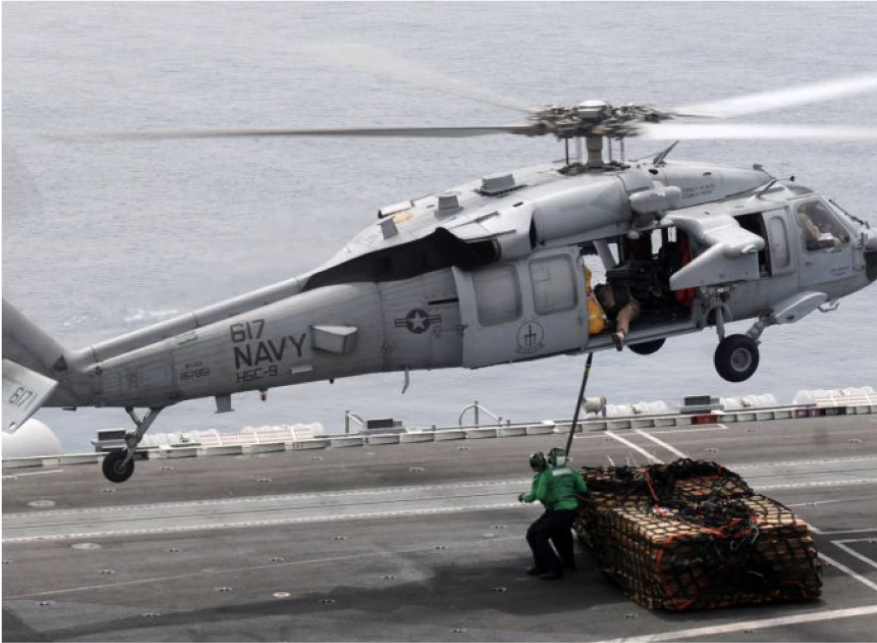
From military to OEMs, fitness to agriculture, our solutions meet the specific needs of crucial industries.
Follow the journey of our products from initial design to final implementation in real-world applications.
Watch our videos to see the meticulous attention to detail that goes into our wire rope assemblies and services.
GALLERY
From coiled cables to architectural railings, see examples that showcase our capabilities and inspire your next project.
MARKETS
From military to OEMs, fitness to agriculture, our solutions meet the specific needs of crucial industries.