


Custom Wire Rope Assemblies for OEM Applications
Custom Wire Rope Assemblies for OEM Applications
OEM products are designed around a function, a space, and a production schedule. The right aircraft cable has to fit all three. Custom wire rope assemblies give OEMs an application-specific component that’s built to their drawing, ready to install, and repeatable from prototype through volume production. This guide to wire rope for OEM applications covers customization, specification, scalable production, and what to look for in an assembly manufacturer.
This blog will explore:
- What Are Wire Rope Assemblies for OEM Applications?
- Why Do OEMs Use Custom Wire Rope Assemblies?
- What Should OEMs Consider When Specifying a Cable Assembly?
- How Can Custom Assemblies Support Scalable Production?
- How Can OEMs Work With a Wire Rope Assembly Manufacturer?
- Frequently Asked Questions
- Recommended Resources
Key Takeaways:
- An OEM wire rope assembly is a finished component built to the OEM’s drawing.
- A drawing is often all a manufacturer needs, especially when it marks which specs are critical and which are for reference.
- Wire Rope construction, fittings, termination, and environment should be specified together.
- Outsourcing assemblies saves OEMs personnel, resources, swaging equipment, and expertise.
- The right partner supports the full program, from prototypes and ECOs through JIT delivery and repeat production.

When OEM engineers note which specs are critical to function and which are for reference only, the assembly manufacturer can use readily available subcomponents everywhere else. That standardization can lower cost and improve availability without changing how the assembly performs.
What Are Wire Rope Assemblies for OEM Applications?
In an OEM context, a wire rope assembly is wire rope or aircraft cable that’s been cut, fitted, and terminated to become a component within a parent assembly, such as a truck, a machine, an aircraft, or specialty equipment.
Buying wire rope means purchasing raw material by the foot. Specifying an assembly means defining the finished part: rope, end fittings, termination, length, coating, and tolerances. Most OEMs already work this way. Their engineers create drawings (prints), and the assembly manufacturer builds to print, often providing engineering support when a drawing is new or being revised.
Because requirements vary so much between products, a custom approach to wire rope for OEM applications offers more flexibility than adapting an aircraft cable reel to an application needing a specific pre-cut length.
Why Do OEMs Use Custom Wire Rope Assemblies?
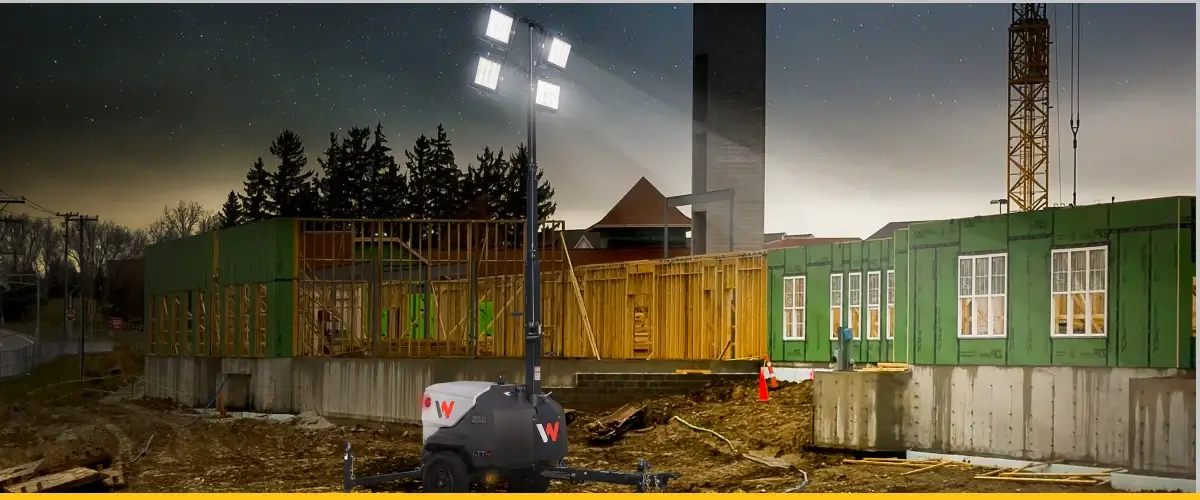
OEM applications rarely line up with an off-the-shelf aircraft cable. Custom OEM wire rope assemblies are designed around factors such as:
- Required aircraft cable length
- Wire rope construction and material
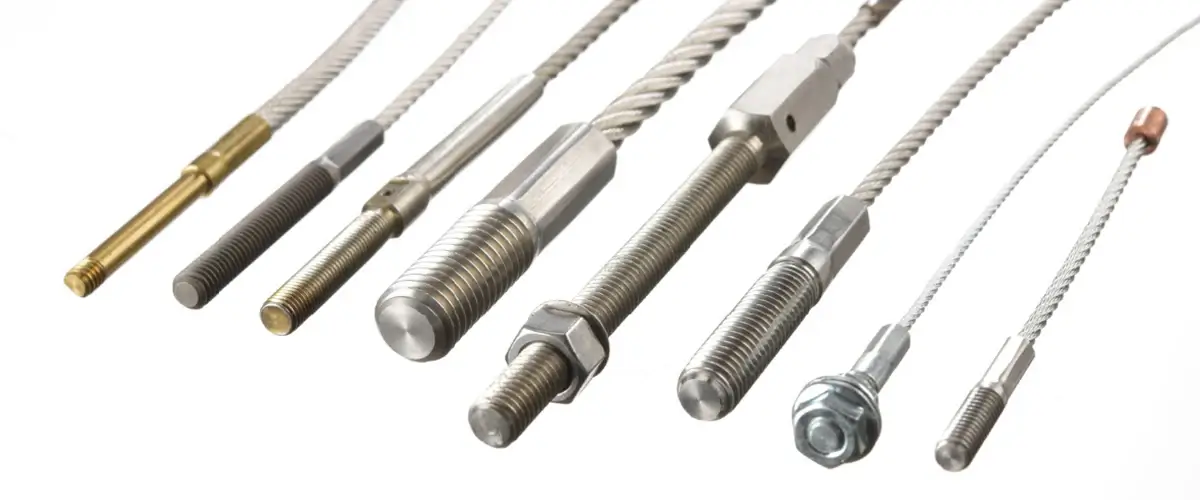
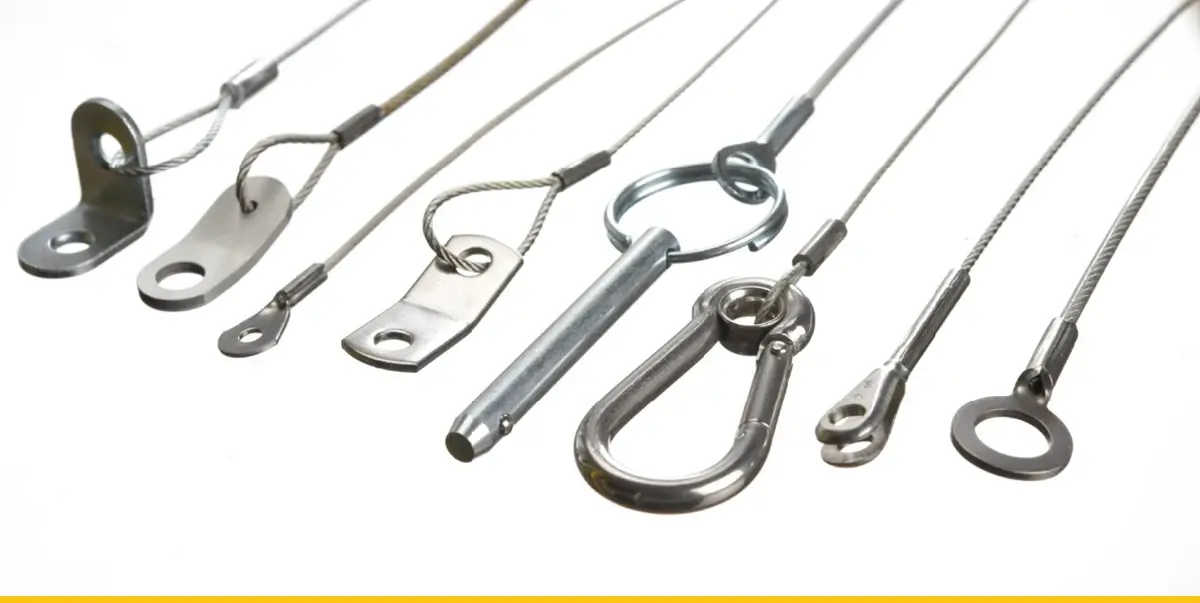
- End fittings and termination method
- Assembly configuration
- Available installation space (clearance)
- Movement or routing requirements (fit/form/function)
Customization isn’t just a different length. It can mean configuring the entire assembly around how the component is installed and used. Still, it’s generally a good idea not to reinvent the wheel. Using readily available subcomponents wherever the design allows keeps costs down and supply steady.
How Can OEM Aircraft Cable Assemblies Simplify Component Integration?
A finished assembly arrives ready to install, so OEMs don’t have to commit personnel, resources, or expertise to sourcing and assembling components in-house. It’s a win-win: OEMs focus on what they do best, and the assembly manufacturer becomes a reliable source for subcontracted mechanical assembly. OEM cable assemblies offer:
- Fewer individual components to manage
- Fewer resources devoted to manufacturing and fabrication
- Lower tooling costs
- Consistent assembly configuration
- Easier integration into the finished product
- Simplified procurement
- Repeatable specifications for ongoing production
When Is a Custom Wire Rope Assembly a Better Fit Than Aircraft Cable?
Customization makes sense when an application has a requirement a catalog cable can’t meet, as Lexco’s project gallery shows. Examples include:
- A machine needs a specific length and end termination.
- A production line needs identical assemblies across many units.
- A specialty component has limited installation space.
- An OEM needs a particular fitting or termination configuration.
- An application requires a specific material or construction.
The earlier an OEM treats the cable assembly as a designed component, the easier it is to account for its requirements during product development, before fit or routing issues reach the production line.
What Should OEMs Consider When Specifying a Cable Assembly?
Choosing wire rope for OEM applications starts with what the rope needs to do. No single construction fits every product, so it’s important to match the wire rope to these requirements:
- Strength: Diameter, construction, and material must support the working load.
- Flexibility: More, smaller wires bend more easily over pulleys and tight routing.
- Repeated movement: Aircraft Cables that cycle in service need a construction suited to fatigue.
- Environment and corrosion: Exposure drives material and coating choices.
- Space and routing: The envelope can limit diameter, fitting size, and bend radius.
How Do End Fittings Affect an OEM Cable Assembly?
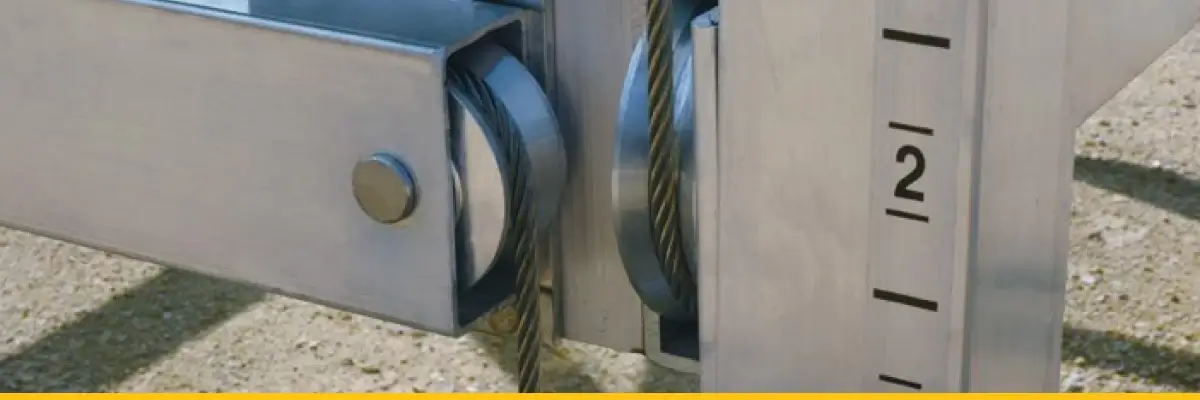
Fittings are where the cable assembly meets the product. They must suit the OEM’s attachment points as well as the load. Consider the connection method, available space, required retention, load requirements, and how the line will install the aircraft cable.
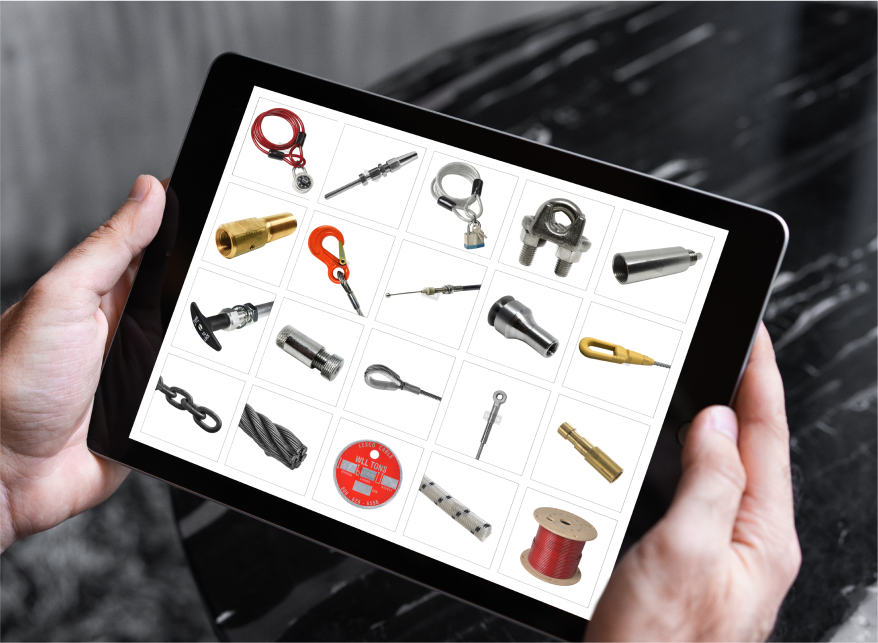
Lexco offers a wide range of wire rope fittings and hardware, plus custom fittings when needed.
Why Does the Termination Method Matter?
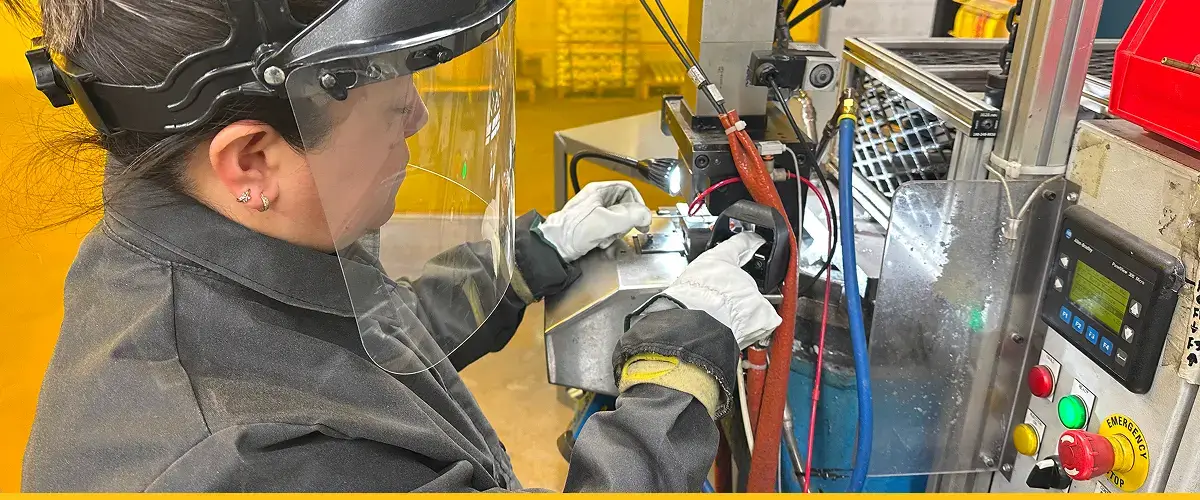
How a fitting is attached affects both holding strength and consistency. Machine swaging generally provides more holding strength than hand crimping, for example. Specify the termination as part of the cable assembly, not as an afterthought, so every unit in a run performs the same way.
How Do Environmental Conditions Affect OEM Aircraft Cable Selection?
Outdoor exposure, moisture, corrosive environments, temperature extremes, and industrial conditions like the dust and oil all affect material and coating selection. Galvanized and stainless steel are the most common materials, and coatings such as PVC, nylon, and HDPE add protection. Sharing the environment early lets the manufacturer recommend the right combination.
What Information Should an OEM Provide When Requesting a Custom cable Assembly?
Often, a drawing (blueprint) is all a manufacturer needs. Without one, provide as many relevant specs as possible:
- Application and intended length function
- Aircraft Cable length
- Wire rope requirements
- End fittings and termination
- Load or performance requirements
- Operating environment and installation constraints
- Expected production volume
- Samples or specifications when available
If design revisions are being discussed, application specifics are especially useful. Drawings and specs can be submitted through Lexco’s custom assemblies page.
How Can Custom Assemblies Support Scalable Production?
Moving from prototype to repeat manufacturing, an assembly that works on unit one has to work the same way on unit 5,000. Reliable production aircraft cable programs depend on consistent dimensions, components, terminations, configurations, and specifications. That’s the foundation of scalable cable assembly.
How Can Custom Cable Assembly Help OEMs Simplify Production?
Once its specification is set, a finished cable assembly becomes a standardized component on the OEM’s production lines. Benefits include:
- Easier integration and consistent specifications
- Less in-house cable assembly work
- Less investment in machinery and tooling. Most wire rope fittings are machine swaged. Machine swaging is one of Lexco’s core capabilities, with presses and dies running and ready to go.
- Simplified purchasing and more predictable production
- Just-in-time (JIT) delivery
How Should OEMs Think About Prototype-to-Production Transitions?
Every program is different, but aircraft cable requirements commonly evolve through a general path: initial application requirements, prototype or sample assemblies, testing and evaluation, specification refinement (often through an ECO), and repeat production. Working with one manufacturer throughout keeps what was learned in prototyping attached to the part.
What Makes a Wire Rope Assembly Suitable for Repeat Production?
- Clearly defined, documented specifications
- Repeatable, readily available components
- Consistent termination
- Reliable, quality-controlled manufacturing processes
- Capacity to produce the required quantity consistently
How Can OEMs Work With a Wire Rope Assembly Manufacturer?
Technical buyers typically look for a partner that offers:
- Custom cable assembly capabilities and a range of wire rope and fitting options
- Building to OEM drawings, with engineering support for revisions and ECOs
- ISO 9001 certified quality management
- FAIRs, PPAPs, material certs, and IMDS reporting
- JIT delivery, blanket orders, stocking agreements, and drop shipping
- Prototype-through-volume support
Why Does Customization Matter When Working With OEMs?
An experienced manufacturer configures the rope, fittings, and termination around the OEM’s application rather than forcing the application into a standard product. The best custom cable solutions pair proven subcomponents with custom features only where the design requires them.
How Can Lexco Support OEM Wire Rope Applications?
Lexco Cable is an ISO 9001 certified manufacturer of custom assemblies that builds to OEM drawings and supports programs from prototype to high-volume production. Its OEM wire rope capabilities serve:
- Industrial OEMs
- Truck, RV, trailer, bus, and automotive OEMs
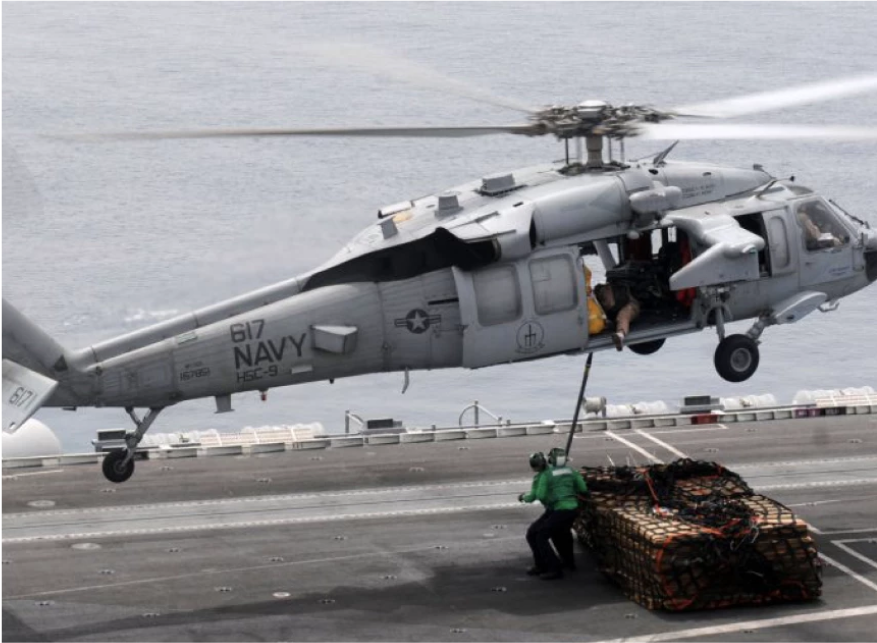
- Aerospace, defense, and marine OEMs
- Heavy equipment OEMs
Lexco also produces push-pull controls and bungee cord assemblies.
Explore all markets Lexco serves.
Frequently Asked Questions

GALLERY
MARKETS
CASE STUDIES
VIDEOS
From coiled cables to architectural railings, see examples that showcase our capabilities and inspire your next project.
From military to OEMs, fitness to agriculture, our solutions meet the specific needs of crucial industries.
Follow the journey of our products from initial design to final implementation in real-world applications.
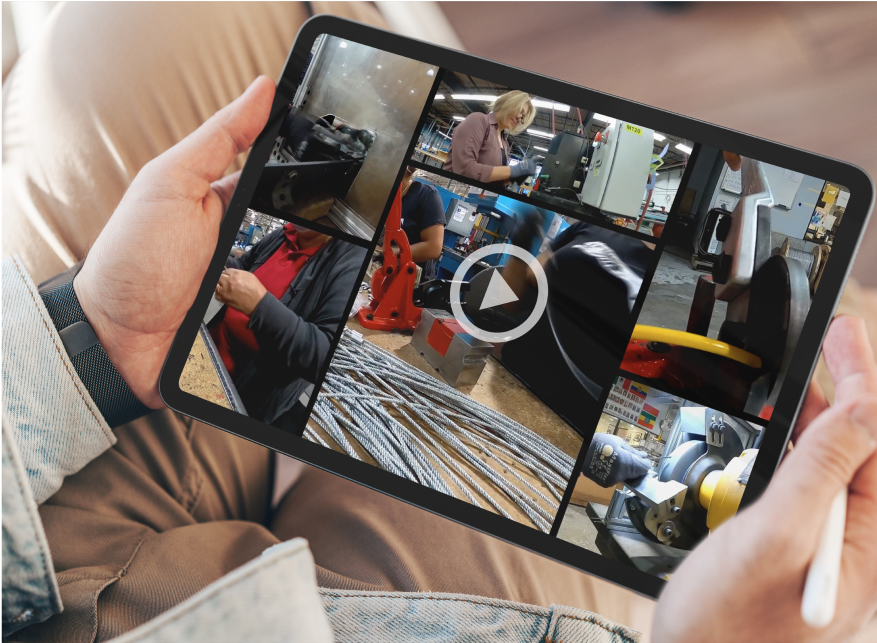
Watch our videos to see the meticulous attention to detail that goes into our wire rope assemblies and services.
GALLERY
From coiled cables to architectural railings, see examples that showcase our capabilities and inspire your next project.
MARKETS
From military to OEMs, fitness to agriculture, our solutions meet the specific needs of crucial industries.


